Can Permaculture be profitable?
Yes! Of course permaculture can be profitable! Both financially and in terms of a wide range of non-financial outputs and yields. Permaculture systems can take time to establish, others take time to design and are easy to establish – the important thing if you want to create a profitable permaculture business is starting with a good business plan, great products and/or services, and a good understanding of the permaculture principles. A healthy dose of realism also helps.
In all the years I’ve been working with permaculture there has been circulating a quiet belief that it is somehow wrong to earn money from permaculture. This for me is a strange belief, since if we can earn a living in a regenerative way, we can realistically support ourselves without destructive behaviours and patterns. I think we need to realise that right now we live in a world where there is an economic system that we are somehow a part of. We can choose to remove ourselves partly from this system by providing for our own needs for food, energy and shelter – but at some point we will need the most normal form of trade which is money. Only when permaculture can offer us a real way to live outside of destructive patterns, will it become a widespread way of living our lives. So let’s not fight against earning a living from permaculture, but realise it’s value, and support those people in the world who are trying.
Anyway, that was a little side note about the context we are working within when we are trying to make a living from permaculture.
So how can we create a profitable permaculture farm or other business?
Design carefully, then grow your business step-by-step
Careful design is the first step to starting a successful and profitable permaculture business. Understanding your context will be really important in creating something long lasting that is going to work effectively and make you a good living. Context could include your local climate, the market for your product/service, your target audience, your plot of land, your available resources and even your own skills, likes, dislikes, patterns of behaviour and so on. As a part of understanding your context and collecting information, you can take a good look at what others have acheived and how their businesses have been built up.
The more time you take to design your business, the more time and resources you’ll save later in the process. The successful players have had a good understanding of their context, their skills and even their fallbacks, before they got started with their business. We’ll look at some of the success stories in permaculture in a moment. What you have to remember for now is that everything takes time. In fact that’s one of the permaculture principles: “small and slow solutions.”
Building a business still takes time when you have your design and business plan completed. Hopefully you are in it for the long-term, and enjoy the process of seeing something grow and develop. The journey is just as important as the destination! You might need to build up a customer base or your own skill-set. Especially if you’re going into farming, having skills and knowledge is going to be crucial. So be honest with yourself about what you can and can’t do. There are probably a lot of people who start with farming because it sounds idyllic. If you haven’t worked a whole growing season on a farm and you’re thinking of starting your own – please! Go and work as an apprentice or a farm worker for at least one growing season. The knowledge you’ll gain in one or two years, will save you years of costly mistakes.
Grow your skills – all round!
I can’t stress enough how important it is to grow your skills and experience of farming if you want to go all in as a producer. Not only will you need farming skills but you’ll need organisation, marketing, bookkeeping, and other business skills. Especially if you want to include other people in your venture, there will suddenly be a need for leadership skills, communication, time-keeping, motivation, forward planning, feedback and maybe even mentoring.
There are really a lot of people who go into farming who already know that their marketing and sales skills are not that great, but want to get started anyway. If you are getting started and you recognise you’re lacking these skills, try to find ways to improve, or find someone you can cooperate with. You might be able to find a stable bookkeeper who will work for a fresh supply of vegetables, or who will teach you how to do your books yourself.
You might be able to find funding to improve your skills through a local business or entrepreneur network. Ask a friend or a family member to keep an eye on funding opportunities for you if you don’t have time.
Find your Customer and Market
Who buys permaculture products? Who would be interested in buying your produce/services and supporting your business. Again here, collecting information in your design phase is going to help you greatly. Perhaps you can think of a creative way to do a survey in your area to find out who is interested in locally grown produce, and what the challenges and barriers are for them. ASk them – why don-t you already buy local produce? What is challenging for you and your kitchen team in terms of suppliers? Remember to ask your local schools, canteens, businesses and restaurants. In a perfect world, how would a fresh local produce supplier look to them? That way you could create a farm that really matches the needs locally. When we address real human needs and address them well, our products and services should sell themselves. Remember to ask what motivates people – is it the idea of healthier farming with more biodiversity, or the idea of more fresh and nutritious food. Are they interested in produce being local, or interested in knowing and seeing how food is grown. Understanding your market can both mean you create a business that is tailor-made to your local area, but also give your customers a feeling of ownership in your business. They could become ambassadors for you, so let them know you’re listening.
What if you’re not farming but providing other services? Can permaculture businesses be profitable? The answer is again “of course!” Know your market, create a good plan and improve your skill set are still the 3 big steps you need to start with. Again if you can provide for important needs while improving ecosystem health, and contributing to a thriving community locally, then you are on the way to make a great permaculture business.
Use Multifunctionality and Stacking
Multifunctionality, Integration and Stacking are important concepts in permaculture design. If you want to design a profitable business you’ll need to think about these principles. But what do they mean?
Multifunctionality is a way of increasing yield and income using the same elements and systems. An example could be growing produce for sale in a forest garden type system. If you harvested perennial plants for sale and also held tours in the garden, then you can create more yield from the same area. Having a small treehouse or cabin in the forest garden that tourists can rent could also be a way of harvesting more yield from the same area. The yield is only limited by our imagination. What other yields could you get out of your forest garden? Could you use wood from the forest garden to hold a mushroom growing course? Or pick edible flowers for the local restaurant? I think often we forget when we talk about permaculture that all these things take time – so be clear about what is your focus and your primary yield, and which of the yields are secondary and should also take less of your time.
Integration means cycling nutrients and energy within your system. A good example of this is if you can grow animal feed yourself. If you use your own compost as a fertiliser. Also if you can catch rainwater from your roofs and redirect it through your system so that it is used multiple times. The input of one element should be the output of another. If you find yourself buying things from outside, or creating waste, then you need to improve the integration on your site.
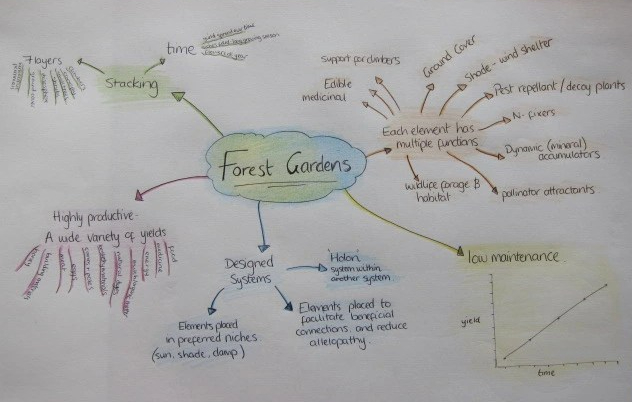
Stacking in time and space means finding ways to fill in any gaps that you want filling in. For example if you are growing vegetables for a box scheme, you’ll want to make sure there is fresh produce for as much of the year as possible. Stacking in space is growing as much food as possible in a small space, by including the vertical growing area, and including a diversity of plants that occupy different areas. An example of stacking could be a vineyard where geese graze under the vines. If you are in a hot climate you could expand this stacking to include a few trees that also could provide a yield and not shade to much for the vines. You can keep stacking in space and time by finding ways to include more yields in the same area.
Look for these and other principles to help you design your farm with permaculture principles
Diversify and Make Money
How does permaculture make money?
We can’t all be teachers and yoga-retreat holders! What is it that YOU are great at and you love? What is your niche? There are as many ways to make a living (make money) from permaculture as there are stars in the sky! The best thing for you and for the world long term, is finding what you love, that also will be profitable! Something that lives up to permaculture’s ethics, Earth Care, People Care and Fair Share, but also something that is going to nourish your soul for the rest of your working life (ok ok this is included in people care!) Find your focus, but include diversity.
- You’ll have heard of CSA (community supported agriculture) and other forms for vegetable box schemes.
- There are also farmers markets (which i personally am not a big fan of, because you go to market with so much great produce and come back with a certain amount that is no longer fresh and beautiful. It might have to go to the animals!)
- You might have a stall outside your farm
- Sell to a local shop or shops
- Sell to a local restaurant
- Create memberships where members harvest themselves : I find this works best when the community of members is REALLY close. Like if you lived in an eco-village this could be a good model. Otherwise people don’t seem to use their membership enough and drop out after a while.
- Other forms of membership are possible, like the andelsgaard (shared farm) movement in Denmark. Here members pay a yearly or monthly fee and they don’t recieve produce, but they support the regenerative and organic farms to buy more land – a kind of country wide movement to take back the land into our own hands. As a special kind of thankyou you are allowed to visit the farms, maybe even put up a tent and stay there for free.
Apart from farming there are of course many ways to earn a living from your permaculture site.
- Education including courses and cooperations with education institutions.
- Caregiving, sheltered living and social projects. What about a nursery, elderly home or hospice?
- Event management and hosting. What about creating a beautiful space for weddings or parties?
- Alternative accomodation where people can come and stay, learn about permaculture and be in nature. Once the accomodation is created it is a low-input income stream. Having a really beautiful place will help with this income stream!
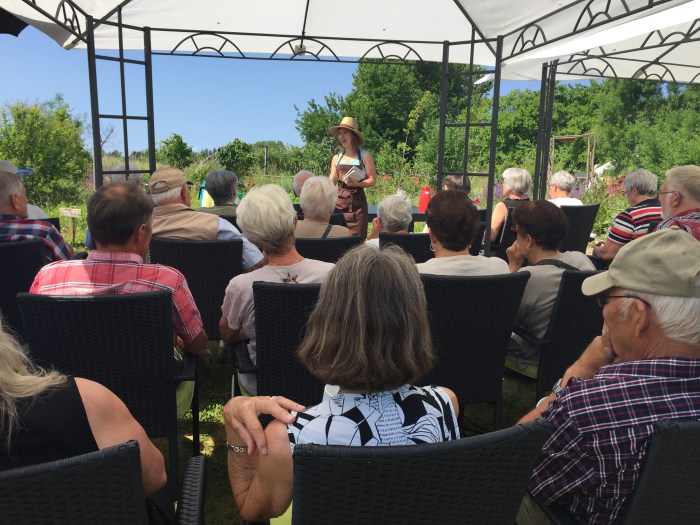
Think about your personal skills and what you could bring to the project. Perhaps there are some of your own skills you can use to create a diversified income. Can you write articles, or take pictures, coach or tutor? Just be realistic about your skill set and what you have time for. We normally overestimate what time we have.
Success Stories of Profitable Permaculture
New Forest Farm: Mark Shephard
100 acres – Broadscale agroforestry
Here’s our first example and we’re starting in the broadscale. Mark Shephard is by far my favourite broadscale perennial farmers. The farm has been running since 1994, producing food, fuels, medicines and beautiful spans of landscape. Combining fruit and nut trees with other fruiting and flowering bushes, lower layers of fruiting shrubs as well as herbs. Intercropping in the alleys with grain, asparagus and running animals like pigs, cattle, lambs, turkeys and chickens through the silvopasture system. He has used the oak savannah as his template for recreating a natural ecosystem, but in rows and alleys on his effective farm. Again here we see the principles of integration, stacking and multifunctionality as Mark harvests an abundance and diversity of products from one piece of land.
Not only does he produce chestnuts, hazelnuts, hickory, walnuts, pinenuts, apples, cherries, pears, meat, asparagus and grain – he also has his own cider production and offers tours, consultation, design services and plants from his own perennial nursery. He even offers tree planting and nut processing services! All in all a very diverse production with lots of different yields and outputs, under 2 different businesses. (Forest AG: his consultation and design service, and New Forest Farm: the productive farm)
You might have heard of Mark Shephard through the Restoration Agriculture Institute where he is founder and President and even has written books and held a number of lectures around regeneration agriculture. Find him on youtube or visit New Forest Farms website.
Miracle Farm: Stefan Sobkowiak
Commercial Permaculture Orchard on 5 acres.
I met Stefan in Sweden and joined his day course in establishing a Permaculture Orchard. Since I came from the apple island of Fejø in Denmark I thought it could be great to see how the orchards on our island could be redesigned as permaculture orchards.
Stefan’s farm was really inspiring since he had thought a lot about his context (the farm and land he was working on, but also his local area and his market) He had designed a system that worked in multiple layers and created an effective yet fun and interactive way to sell his produce.
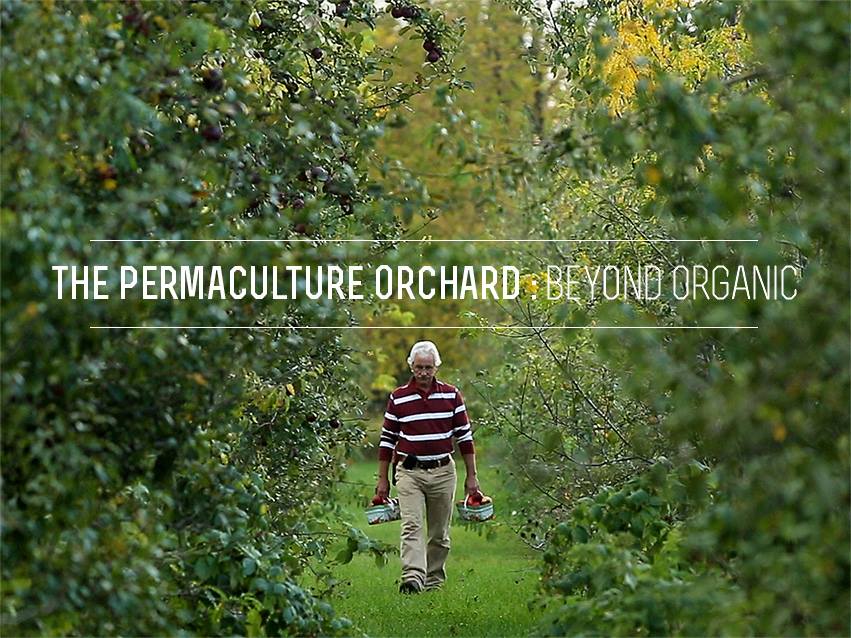
Miracle Farms spreads itself over 12 acres in the Monteregie region of Quebec. Stefan bought the farm in 1993, converting it to organic agriculture as soon as he could. However this systems wasn’t working for him. The trees were planted in a monoculture and he experienced sicksness, disease and pest problems amongst other challenges. That’s when he decided to change things up and convert around 5 acres of the land to a complex polyculture using permaculture as his inspiration. He changed the sale format and turned this area of orchard into self-pick. Each row includes varities of apple, plum, pear but also berry bushes and small herbs in the lower layer, that are ripe within the same 2 week period. That means you can wander down one line and find everything that’s ripe at that moment. Perfect harvest system for his customers. Stefan calls this his “grocery aisle” concept and I feel like this shows a deeper understanding for his customers normal buying habits, and how a permaculture farm could cater to the need for ease and simplicity – having everythin in one place, so you don’t just go to one farm for your apples, another for you berries.
Stefan has of course also thought about his farm in terme of stacking, integration and multifunctionality. He uses the green aisles between the rows as grazing strips where he runs chickens, turkeys, geese and ducks through the orchards. Not only does he offer great super fresh “beyond-organic” products to his customers, he also has a membership scheme where members reap benefits, like being able to purchase the more rare products like poultry. He has even diversified his farm to include education and uses his fantastic knowledge, skill and huge passion to teach about permaculture and running an orchard. You can join a grafting course with him and even see him on Youtube.
You can also support his project from afar by purchasing his feature-length DVD “The Permaculture Orchard: Beyond Organic.” In the film you can see Stefan’s diverse system and learn how to create your own self-pick permaculture orchard.
(Thank you Stefan for your permission to use the lovely photo of you!)
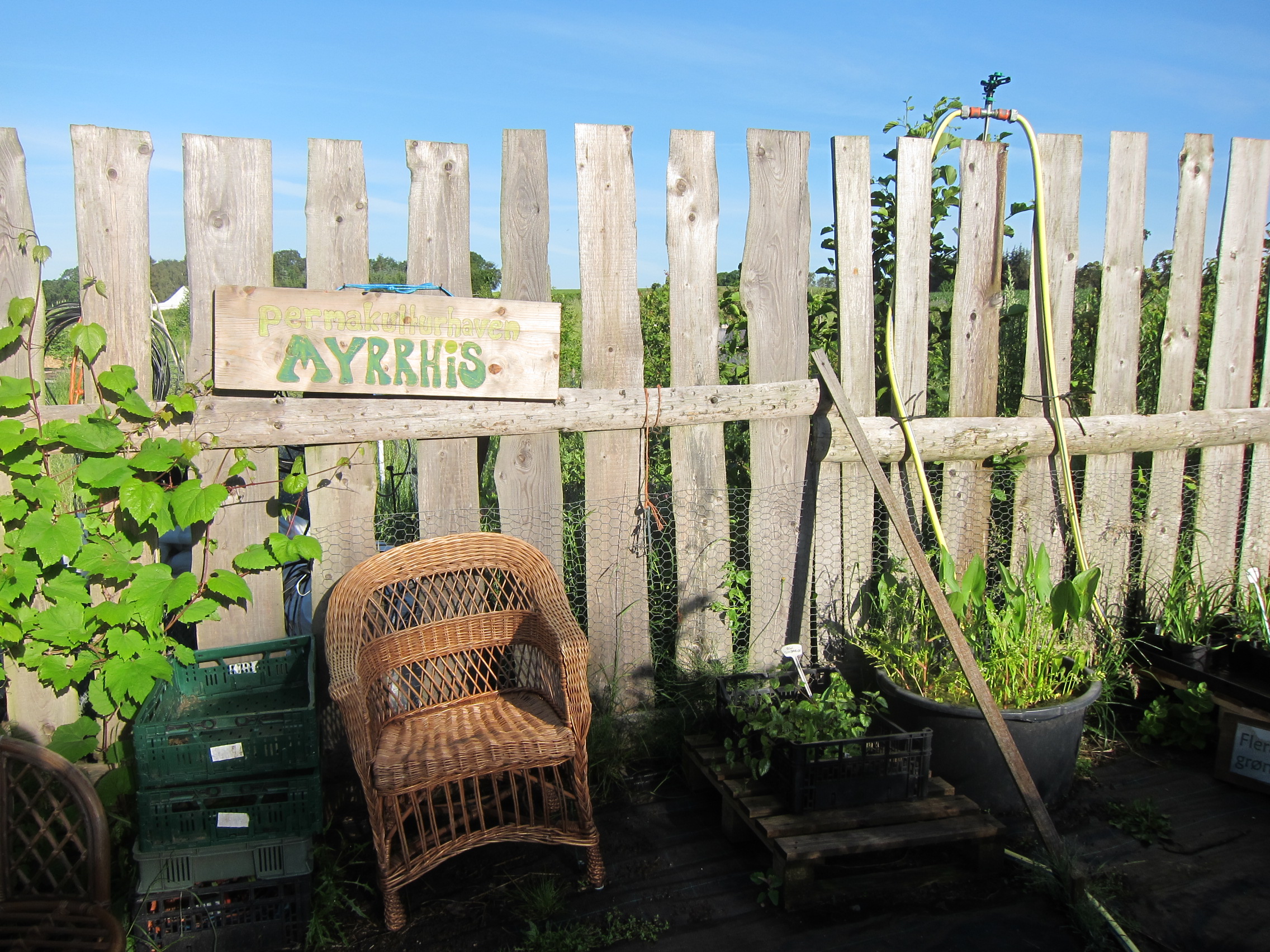
Permakulturhaven MYRRHIS (Denmark)
Plant Nursery, Agroforestry , Education Centre, Seed producers
This is basically my favourite Permaculture business in Denmark. Run by Karoline Nolsø Aaen and Tycho Holcomb, the talented pair have really included the principles of integration and multifunctionality, harvesting a great many yields from the 10 acres of rented land they have converted into a vibrant agroforestry project. In addition to the 10 acres of abundance they steward over 40 acres of land using holistic grazing techniques. Everythin has been designed in detail and executed wonderfully – so when you walk around their site you can really see that they have used a great deal of time to design and plan their business, and think about all the small details of their production.
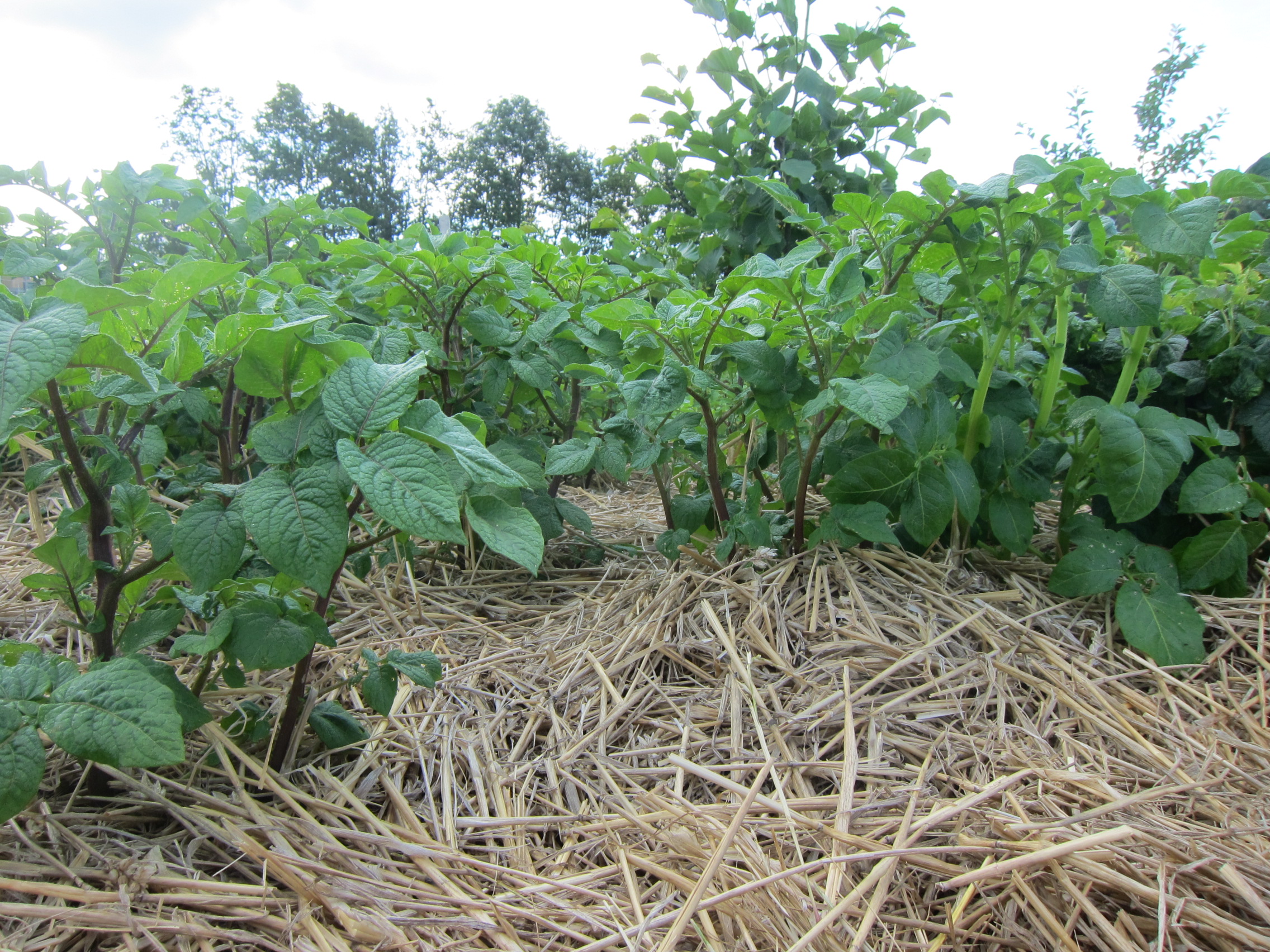
The project includes a self-harvest vegetable scheme for members, where they can harvest the freshest of vegetables directly from the living soil, in the whole growing season from june to december. As a customer you can expext to pay 150 euros for a whole season, whereas a 2 adult household can pay around 300 euros for the season (kids under 16 eat for free!) You harvest whatever you like and the farmers manage to guide their customers in what to harvest by using a coloured flag system and updates on SMS.
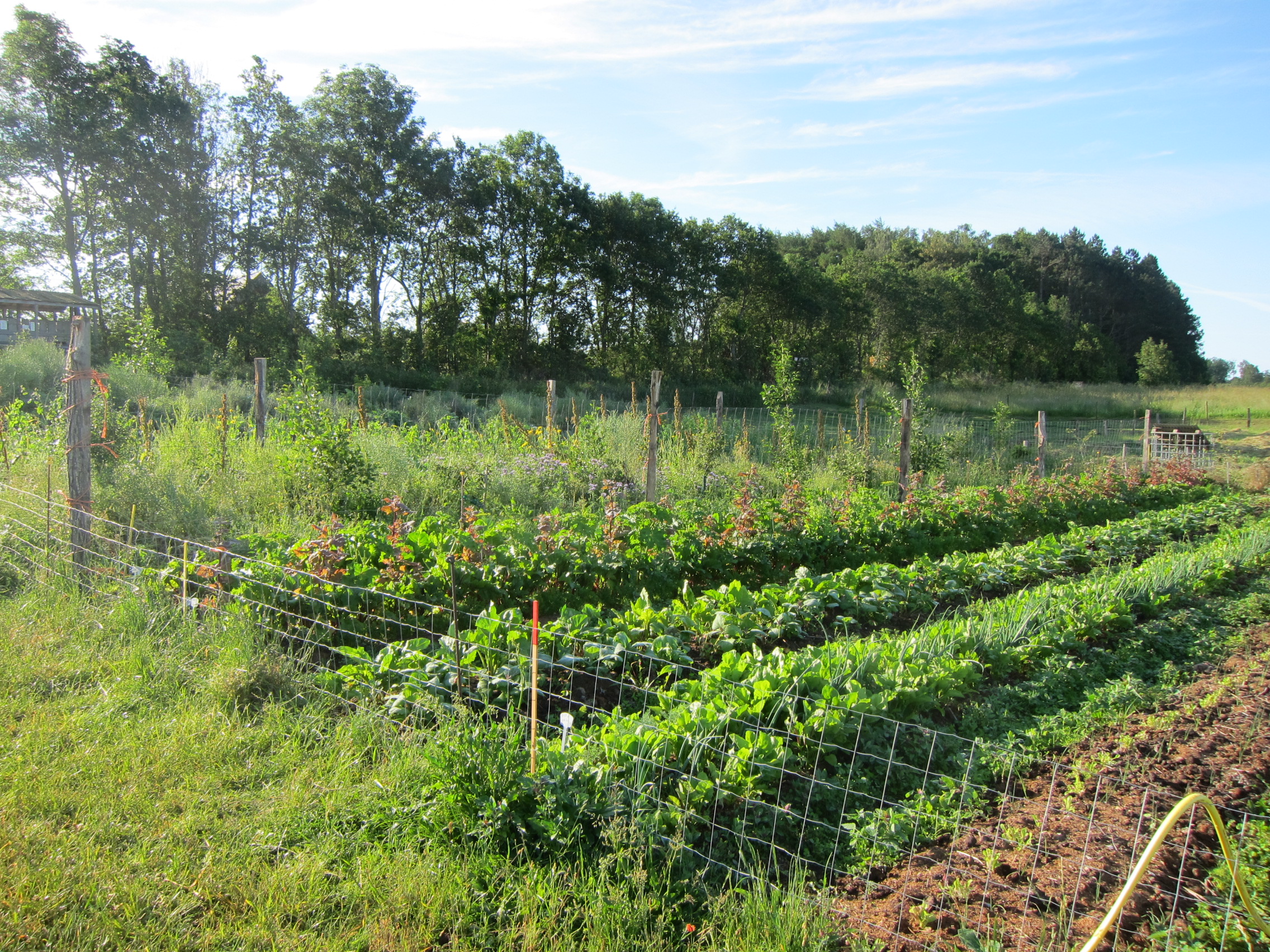
In addition to fresh vegetables they have rabbits that graze in the alleys of their agroforestry project as well as chickens for eggs in moveable tractors. In the coming years their bushes and trees will become productive and they are looking forward to a diverse harvest of many different fruit, nuts and berries. Not only this but they also grow a diverse range of perennial vegetables.
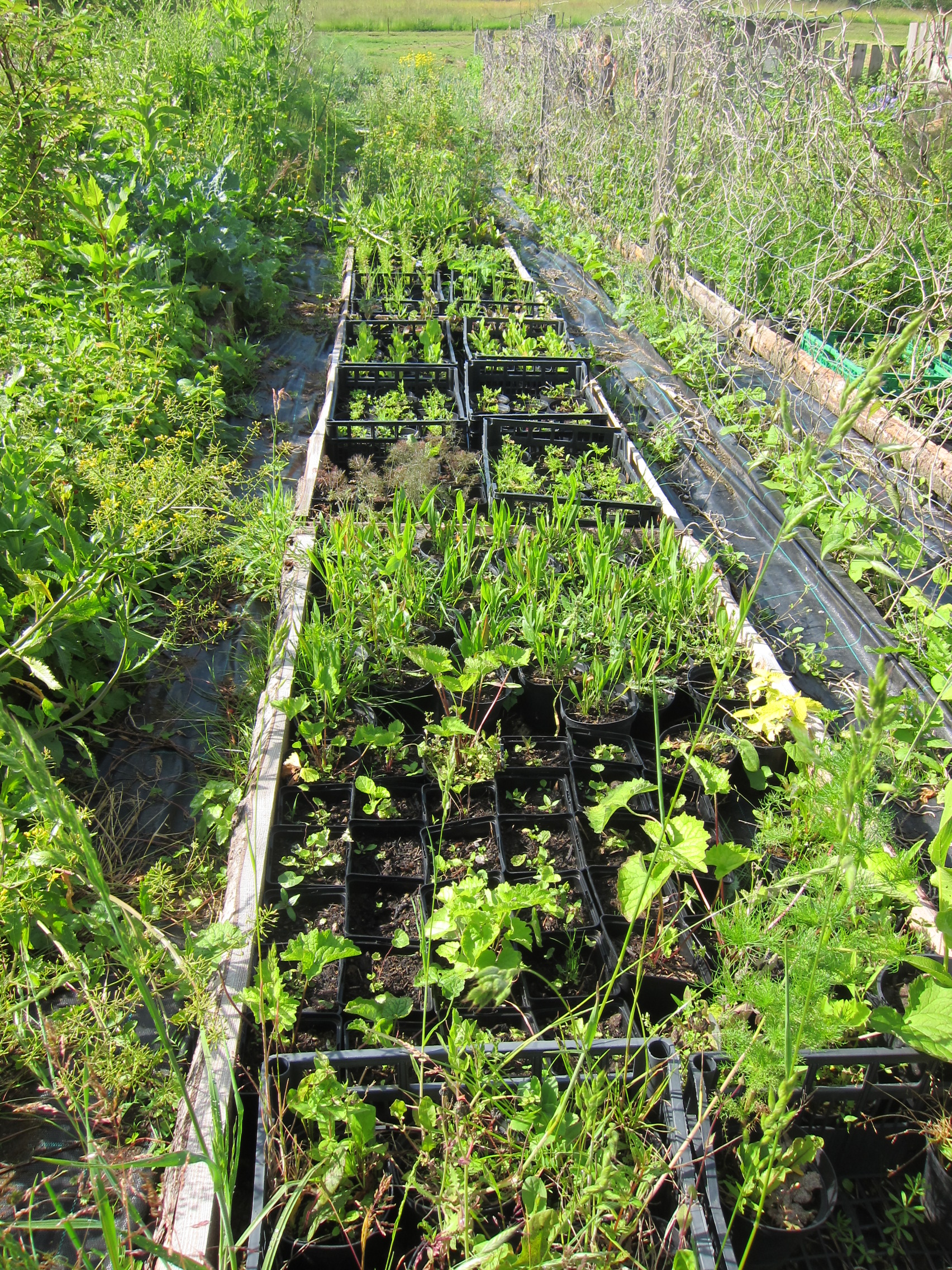
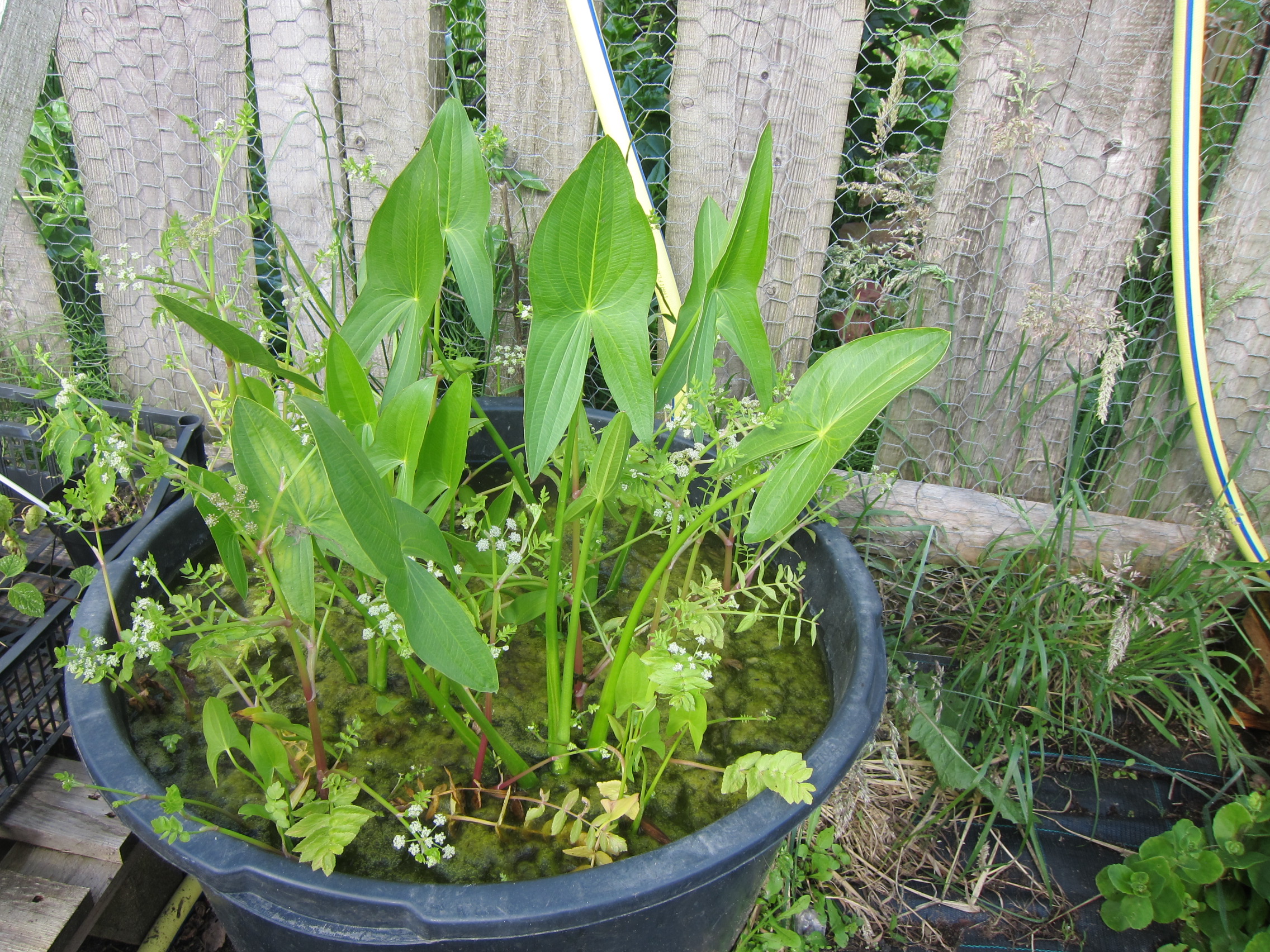
Not only are they super producers of nutritious food, they are regenerating the sandy soils that used to be ploughed fields, and they are educating in a range of topics. You can take your PDC course with them (in Danish!) or join them for a guided tour. They even write books in Danish language, spreading knowledge about permaculture systems. They sell seeds via their webshop and have a diverse plant-nursery where you can stock your forest garden project with a range of fantastic edibles. In addition to all this they also find time to create videos about perennial vegetables and are fast becoming one of the Nordic countries (and global) leading examples of integrated and profitable permaculture systems. Check out their website for more inspiration.
Geoliv (Denmark)
Permaculture Courses, Diploma Tutoring, Design Consultation.
This is my all time favourite personal permaculture business; run by the Danish permaculture diploma holder and skilled designer, Cathrine Dolleris. It’s a fantastic example of an integrated income that doesn’t necessarily need a large piece of land in private-ownership to acheive. How is it possible to create a living from permaculture without privately owning 5-10 hectares of land? (Something which for the most of us is difficult to acheive economically)
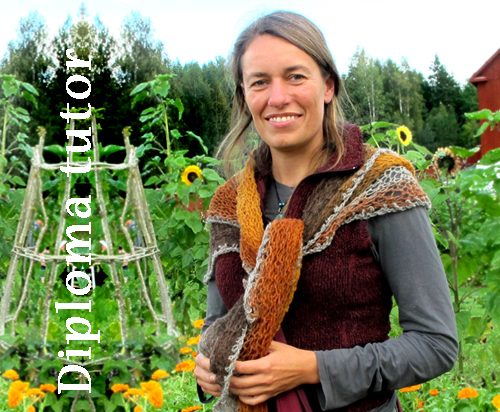
You can create a profitable permaculture business without privately owning a many acres of land and Geoliv is a living example of that. Cathrine manages to work as a regenerative land steward in a variety of ways, influencing land usage on huge plots of the Danish countryside – working closely with land owners and communities, she consults and designs permaculture projects for a wide audience.
In addition to this Cathrine offers permaculture education, teaching on forest garden, self-sufficiency and foraging courses, as well as teaching at least 3 PDC courses every year and training teachers of permaculture internationally. Again as you can imagine she has carefully designed and re-designed her business and her pathway many times using permaculture ethics and principles. This has included constantly improving her skills and qualifications (just as we recommend you do!) meaning that she is easily one of the most qualified teachers of permaculture globally. And like we already explored, a truly great product or service that meets your customers needs will just sell itself!
If you want to work closely with Cathrine and learn from her wide range of skills and experiences, then it’s possible – if you are studying the diploma with within the British or Nordic diploma systems. Cathrine offeres 1-1 tutoring for diploma apprentices, and is one of the founding members of the Nordic Permaculture Academy – which is an organisation that is working in ground-breaking ways and re-thinking the diploma system and the way students acheive their diplomas. Amongst other strategies they employ interactive meet-ups and organise students in guilds for mutual support.
Check out Geoliv’s website for inspiration on starting your own profitable personal permaculture business. If you ask Cathrine she will tell you that she is doing something that she is absolutely passionate about, and that she also knows is meaningful for the world and for her students. What could be better than running a profitable business that is enjoyable and meaningful?
Design Tips from The Masters
- Growing food is not enough, even though it’s already a huge job. Finding ways to diversify your income makes your farm more resilient in the face of instability or crop failure.
- Design Your Business! We can’t say it enough. Use your permaculture design skills, use the ethics and principles and take your time in designing before you start your journey. A good design is the cornerstone of a permaculture business. You can always evaluate and tweak your design later to make small changes and improvements, or add something you forgot. But you want to have the core of your design fixed and ready to go, so that you know where to put your energy.
- Start at the back door and work out from well managed systems. Not biting off more than you can chew will always be good for your mental state, your profit and your time management. Don’t waste time running to catch up with poorly managed systems. Start small, start at the back door, and only when that first system is running well should you move out and take on more challenges. There are of course exceptions to this rule. Like you might want to plant trees early on so they can start growing, while you start an annual vegetable production close to your home. But there is no point in planting trees that aren’t going to be looked after. Save yourself huge investments and wastes by being really realistic about hwat you can do. And if you start something, do it well. Don’t let your trees fail and waste that investment.
- Understand your context. Both your market, your local areas, your land and local climate, but also be honest about yourself and what you are good at, how much time you have and what kind of lifestlye you want in the future.
- Do your research and gain experience. Looking at what other people do and learning from their successes and failures is a great way to save yourself time and money when you are starting up your business. If you don’t have growing experience PLEASE go work on a farm for at least one but preferably more growing seasons. An option is woofing on a few different farm projects where you can learn invalueble skills and techniques that you can apply in your business. You can also get a feeling for which farms you liked best and why. What was it about that place that suited you – was it the working day pattern, the produce types, the surroundings. This will help you to tailor make your business so it suits you as a person.
- Find your allies and resources. Look for allies to work with, local and personal resources. Do you have friends who have some skills that could help you get started. What about funding opportunities and ways to improve your qualifications? IS there someone who would be invalueable to your business in the future? Get in touch with them!
Identifying locally available resources is a big part of permaculture design. These waste streams or resources could become important factors in helping your business to become profitable. - Evaluate as you go. Keep an eye on how things are working and be honest and open to change things up. We see a lot of business owners that want to keep going with something that’s not giving them any profit, just because that’s what they’ve always done, and they’ve become attched to the activity. Be honest and look at your project from an eagle-eye view. If you want to keep something because it’s adding beauty and value, even though it’s not profitable – that’s fine! Just be honest about the fact that’s what you’re doing. This will help you to prioritise your time and resources accordingly.
- Remember that real value is not just profitability – but you have to look at the bigger picture and include the invisible yields in your calculations. Does it provide beauty, joy, learning, growth? Does it provide habitat for wildlife, quiet spaces for people or animals in need? Does it contribute to your local community, and function as a meeting place, or combat loneliness in your network. Think about your yield in terms of the 8 forms of capital. It’s not all about financial gain.
- Think about what you really need to live. Are there areas where you could reduce your consumption. In permaculture we learn that reducing our consumption is the best way of providing for our needs. Since it doesn’t take energy and resources to reduce our consumption, it is in fact the most sustainable things we can do. Before you start trying to think of ways to increase your income, you could try to decrease your consumption and need for income.
- It takes time to establish a functioning profitable finacial income. These projects we have looked at have been the culmination of a decade of work for most of the business owners – if not more than that! A design for the long term and a step by step plan for the short term will keep you on track. Remember to include both and don’t be disheartened if it takes time.
- Some activities like social media, creating videos and writing books, or holding tours at your site don’t cost a lot to implemement but you need to rememeber they are time-intensive. It will be a big investment of your time to start up and run these activities.
- Location Location Location! Think about who lives close to you and what they will come by for. How much will people in your local areas be willing to pay and where are your hubs of activity that you will need to draw people out from? Is there a big city nearby and how would you reach that audience? Use your location and leverage the benefits to create a unique business.
Design your Permaculture Income
Would you like to know more about designing your permaculture income and making a living from permaculture? Coming soon there is a longer article about how to design your permaculture business or your personal economy and right livelihood using permaculture principles and design tools.
It will give you lots of useful questions that you can start asking yourself, to find your personal context and skill set. It will also give you a step-by-step guide of how to design a profitable permaculture income. We need more businesses in this world that regenerate the resources around them. Don’t feel like you can’t make a living from permaculture! In this system that we live in we all need to make a living somehow. It could be by growing food, building your own home, creating your own energy. But you will also need some financial income to support you. So remember not to de-value your time and get paid for the work you do!
Here are some other links to profitable permaculture businesses that you can check out!
Polyface Farms Perennial prairie polycultures. Virginia’s Shenandoah Valley,
Bullock’s Permaculture Portal Homestead with Design and Consultation, Landscaping, Mapping and Nursery Sales. Northern America
Purple Pear Farm Farm, courses, tours, community allotments and childrens activities. Aus
Zaytuna Farm 27 hectares permaculture demonstration site. Northern NSW
Chaffin Family Orchards – permaculture farm in California producing olive oil and oranges amongst other things!
Ridgedale Permaculture – integrated permaculture farm and agroforestry project, with education and tours included. Sweden.
Naturplanteskolen – Plant nursery again with courses and education included. Denmark
Permakulturgaarden – Agroforestry project and forest garden, education in the form of courses and books. Denmark.
Paradise Lot 1/10th of an acre! Cold climate garden of productivity and education. Holyoke in Massachusetts
A little about me
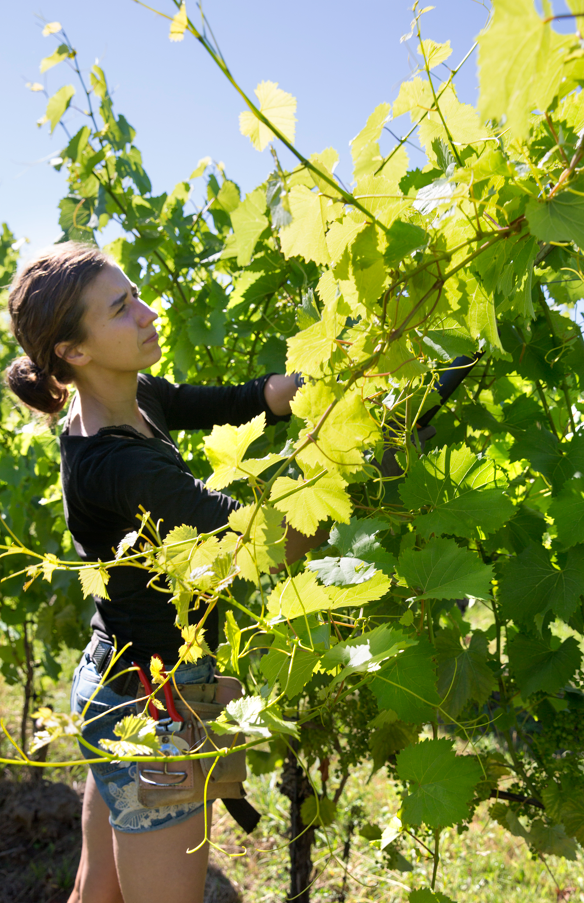
My multi-stream income was designed with permaculture principles and ethics. I work full time from march-december as a Vineyard and Winery manager on a 5 acre project called Hideaway Vineyard ,on the small island of Fejø in Denmark and this is also my main source of income. The vineyard is designed to be multi-functional and includes vineyards, production facilities, productive tree crops and mediterranean gardens, a small summer restaurant and wine boutique, accomodation in beautiful small cabins, guided tours, wine tastings as well as courses and events. The wines are grown organically and owing to their high quality are also sold to Michelin starred restaurants in Copenhagan.
As part of my multi-stream income I teach permaculture courses including the full 72- hour Permaculture Design Course, both online and at residential venues. I am also very happy to work as guest teacher on other PDCs ,such as my recent appearance as a guest teacher for the upcoming online PDC at Soil Food Web School.
In addition to PDC courses i enjoy teaching on shorter courses and especially sharing design skills and tools. (When I have the time!) I write articles for permaculture magazines and websites and am currently training to become a diploma tutor. I hope to work in both the British and Nordic diploma systems to support apprentices on their diploma pathway. This will hopefully support the global movement, training skilled permaculture designers around Europe. As part of my right livelihood I used to work as secretary for the Danish Permaculture Association – but owing to lack of time I had to step down from that position. Just another example of finding ways to support your income that fit with permaculture ethics.
I started building my skills and knowledge of permaculture by travelling, visiting and working on different projects around Britain and Scandinavia during a 4 year period, where that was all I did. I saw how different farms and homesteads ran their production and sales. I also studied the diploma and used over 10 years designing and implementing my permaculture designs and learning from what worked and what didn’t.
As part of my Right Livelihood it’s important for me that I have time to grow my own food and work with being as self-sufficient as possible. I love growing both annual and perennial crops and foraging in nature. This gives me the luxuries of life without having to earn the money to provide them. I keep my personal consumption low by using as little energy as I can and buying any clothes I need second hand.
 Permaculture Learning