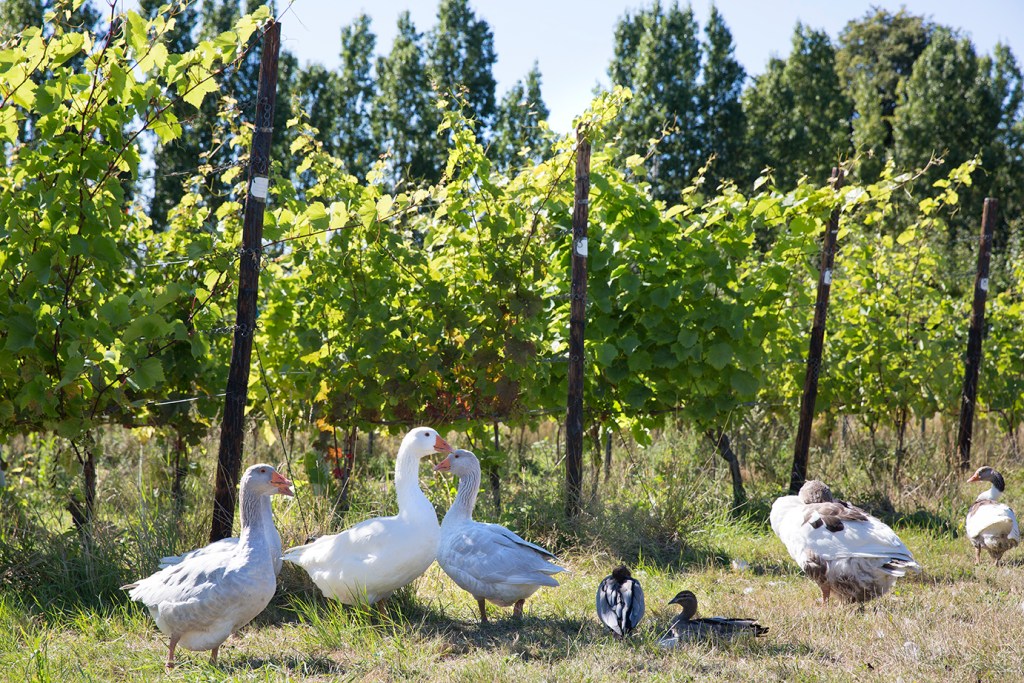
The future of our global wine production?
In recent years, regenerative viticulture has been gaining momentum in the world of wine production. You can find a worldwide Regenerative Viticulture foundation that is spreading the word and educating growers and wine lovers, for the benefit of our soils, vineyards and global climate. But what exactly is regenerative viticulture, and why is it so important for the future of winemaking? This blog post will explore the principles behind Regenerative Viticulture, its benefits, and how wine lovers can support it.
What is Regenerative Viticulture?
Regenerative viticulture is an approach that focuses on improving the health of the soil and the entire ecosystem surrounding our vineyards. Unlike conventional farming, regenerative viticulture aims to restore and enhance biodiversity, soil health, and carbon sequestration. This method seeks to go beyond sustainability by actively regenerating and renewing the land for future generations.
While regenerative viticulture is closely related to organic farming, it takes it a step further. Instead of merely avoiding harmful chemicals or synthetic fertilizers, regenerative viticulture encourages practices that enrich the soil, promote ecological balance, and increase the resilience of vineyards to climate change.
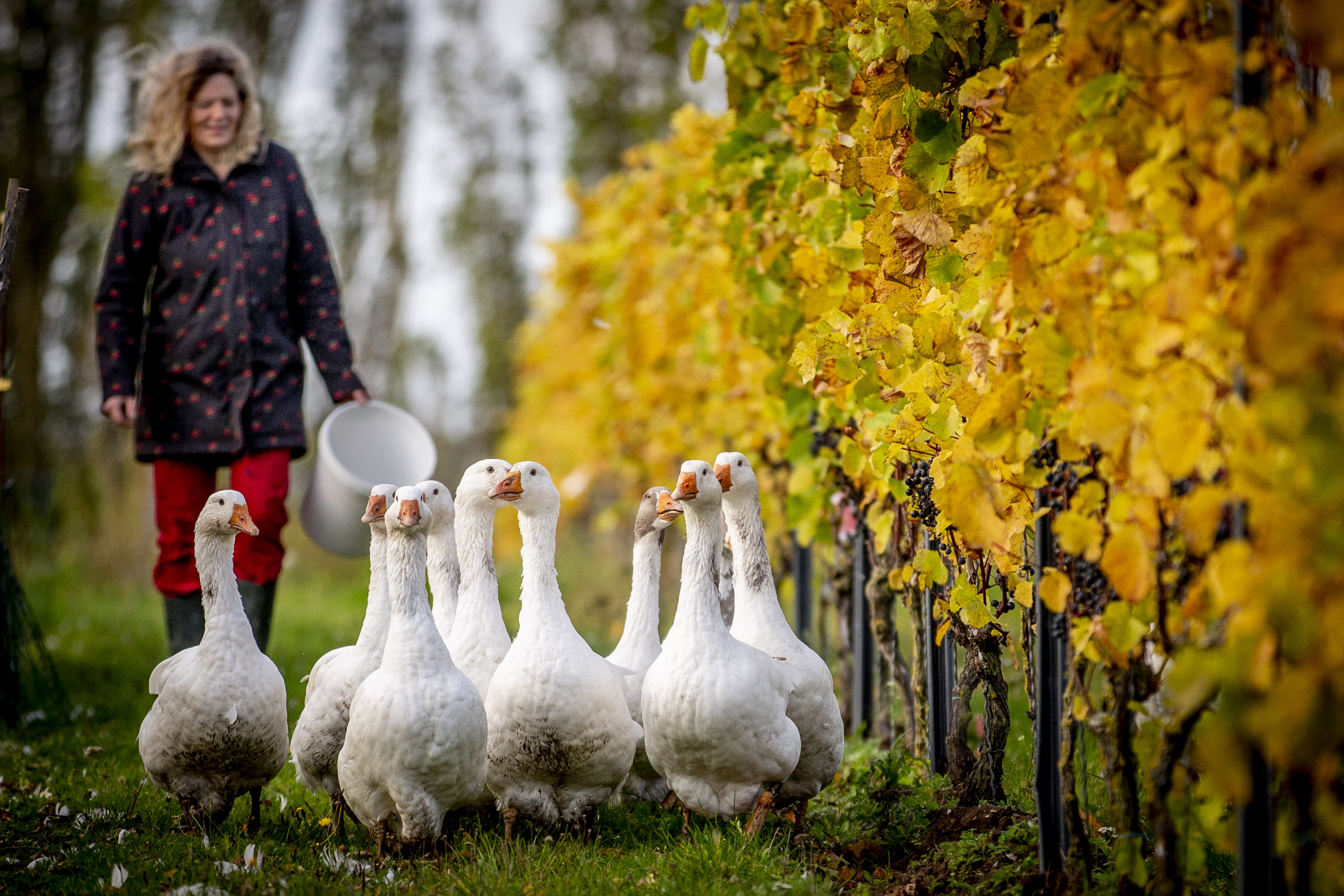
The Core Principles of Regenerative Viticulture
Regenerative viticulture is based on several key principles that aim to restore and preserve the vitality of the land:
- Soil Health: Practices like composting, cover cropping, and minimal soil disturbance help to enhance soil fertility, structure, and biodiversity.
- Biodiversity: Encouraging a diverse ecosystem on the vineyard farm helps strengthen the resilience of the entire system. This includes not only growing a variety of plants but also supporting wildlife, beneficial insects, and microbes in the soil.
- Carbon Sequestration: By improving soil health and increasing organic matter, regenerative viticulture can help sequester more carbon from the atmosphere, playing a role in mitigating climate change.
These principles represent a shift from traditional monoculture farming to a more holistic, ecosystem-focused approach to vineyard management.
The Benefits of Regenerative Viticulture
There are numerous benefits to adopting regenerative viticulture, both for the environment and the wine industry:
- Improved Soil Quality: Healthy, nutrient-rich soil leads to stronger, more resilient vines. Over time, regenerative practices can restore soil fertility and help vines thrive.
- Increased Biodiversity: By promoting biodiversity on the land, regenerative viticulture helps support a range of species, including beneficial insects, pollinators, and birds, all of which contribute to the vineyard’s overall health.
- Climate Resilience: Vines grown in healthy, well-managed soils are better equipped to withstand extreme weather conditions such as drought, frost, or heavy rains. The resilience of the vineyard ecosystem increases, making it more adaptable to the challenges of climate change.
- Carbon Sequestration: Regenerative practices can help store more carbon in the soil, effectively reducing the amount of carbon dioxide in the atmosphere and contributing to the fight against global warming.

Practical Examples and Methods
So, how is regenerative viticulture applied in practice? Some of the key techniques used include:
- Cover Cropping: Growing plants between vineyard rows that prevent soil erosion, improve soil structure, and encourage beneficial organisms.
- Composting: Returning organic matter to the soil to increase its fertility and biological activity.
- Reduced Tillage: Minimizing soil disturbance by using minimal tillage or no-till methods to maintain soil integrity and prevent erosion.
- Agroforestry: Integrating trees and shrubs into vineyard landscapes to promote biodiversity, improve water retention, and provide natural windbreaks.
- Holistic Pest Management: Relying on natural predators, beneficial insects, and organic solutions to manage pests rather than synthetic chemicals.
These techniques help create a vineyard environment where soil health and biodiversity are prioritized, resulting in stronger vines, better wine quality, and more sustainable practices.
Challenges and Future Perspectives
Despite the numerous benefits, transitioning to regenerative viticulture can present challenges. It requires a shift in mindset, significant investment in training and infrastructure, and for the vineyards focusing on quantity over quality, it could mean a period of transition where yields temporarily decrease. Additionally, regenerative viticulture is still evolving, and further research is needed to refine techniques and demonstrate long-term results.
One of the challenges we face at our vineyard on Fejø (Hideaway Vingård) is finding the good examples and working with techniques that can function quite differently from year to year. When you use the roller-hacker to move a little soil under the vines, you know the direct result. But if transitioning to using cover crops under vines you can find their is a lot of moisture around the vines in wet years, creating fungal disease problems. You can also find that seeding is perhaps not evenly distributed. ( So the cover crops are not effective over the whole area) When you are really busy in the day to day, you don’t need these extra challenges, you just want an effective system that you know works.
As more vineyards adopt regenerative practices, there is growing evidence that the benefits outweigh the challenges. In the future, regenerative viticulture could become the standard, especially as consumer demand rises for wines that don’t damage the environment and local ecosystems.
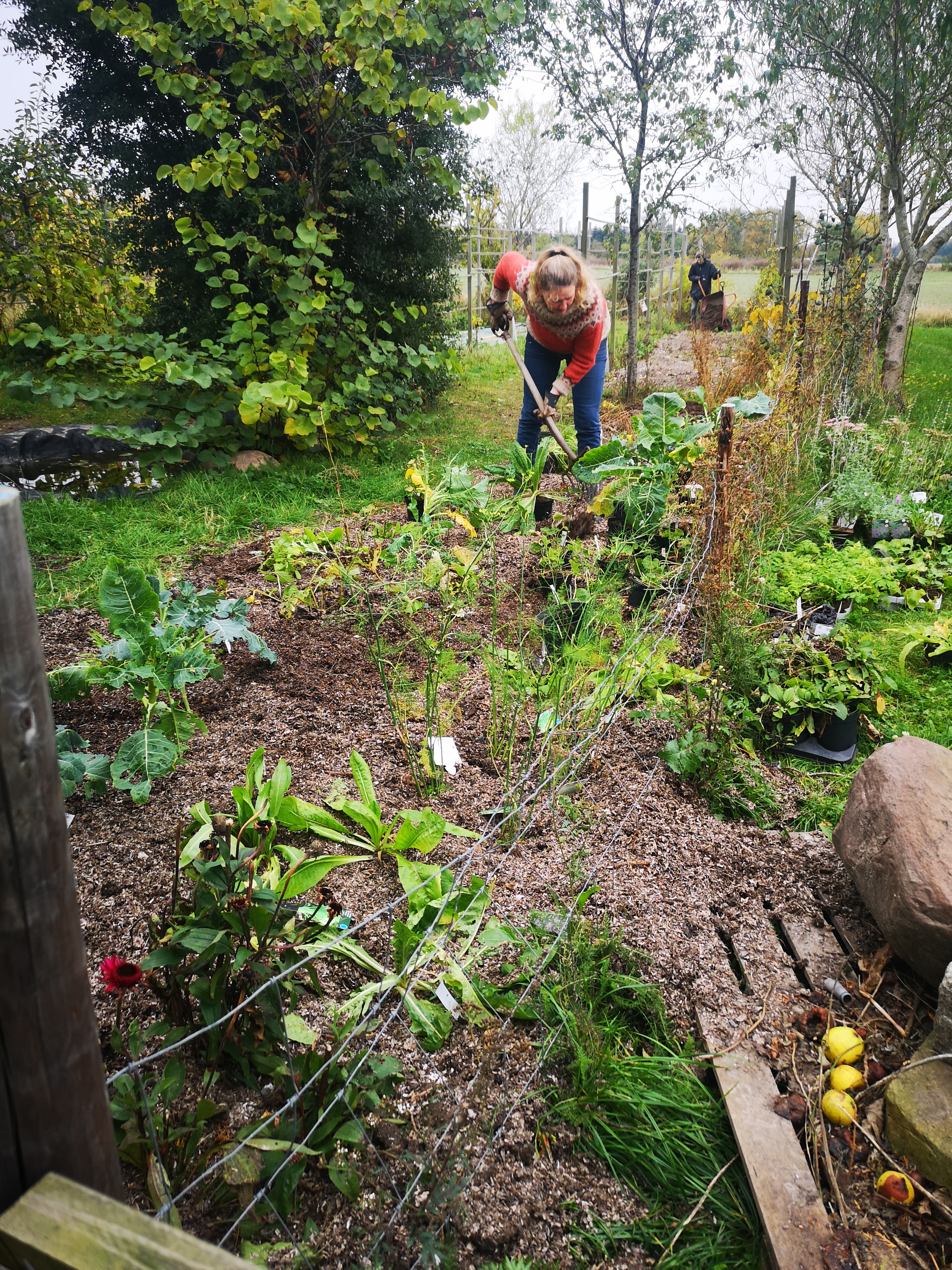
and provide food for insects, birds, and soil life.
How Can Wine Lovers Support Regenerative Viticulture?
As consumers, there are several ways you can support regenerative viticulture and the producers who embrace it:
- Choose Regeneratively Farmed Wines: Look for wines from producers who are committed to regenerative farming practices. Many wineries are now labeling their bottles, but you can do a little research or shop at a wine merchants instead of supermarkets. (Wine merchants normally know a great deal about the producers they work with and can tell you about their vineyards and winemaking)
- Learn More: Educate yourself about the vineyards and winemakers who are championing regenerative viticulture. Sharing this knowledge with fellow wine lovers can help spread awareness. You could join the newsletter at Regenerative Viticulture Foundation if you want great resources about regenerative viticulture in your inbox
- Support Local Producers: Many regenerative viticulture practices are adopted by smaller, family-owned vineyards that are committed to sustainable farming methods. Supporting these producers helps encourage the broader adoption of these practices.
By making informed choices, wine lovers can help drive demand for wines produced using regenerative viticulture methods, ultimately contributing to a better soil health and improved biodiversity all over the globe.
 Permaculture Learning