Permaculture is the design of systems that provide for human needs while regenerating natural resources.
It is the design of systems that live up to ethical goals for care of the earth and it’s ecosystems, care for people their basic needs and the fair share of resources globally. “Fair Share” means reducing our consumption and recycling surpluses back into our system as useful inputs. It is only through reduced consumption and recycled surplus, that resources can be fairly distributed across the globe, while still taking care of the delicate processes and interrelations that set the stage for all life.
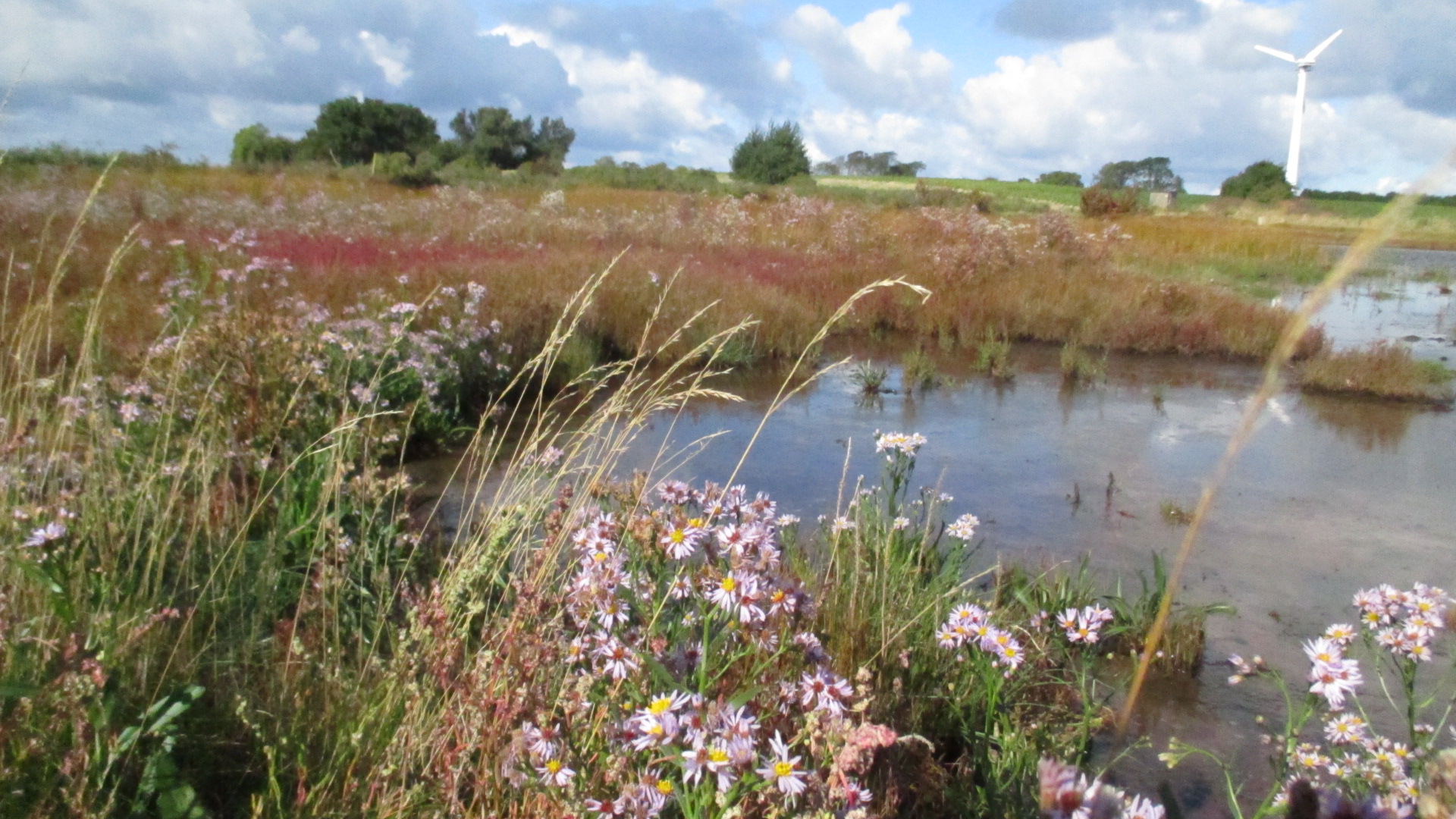
Earth Care
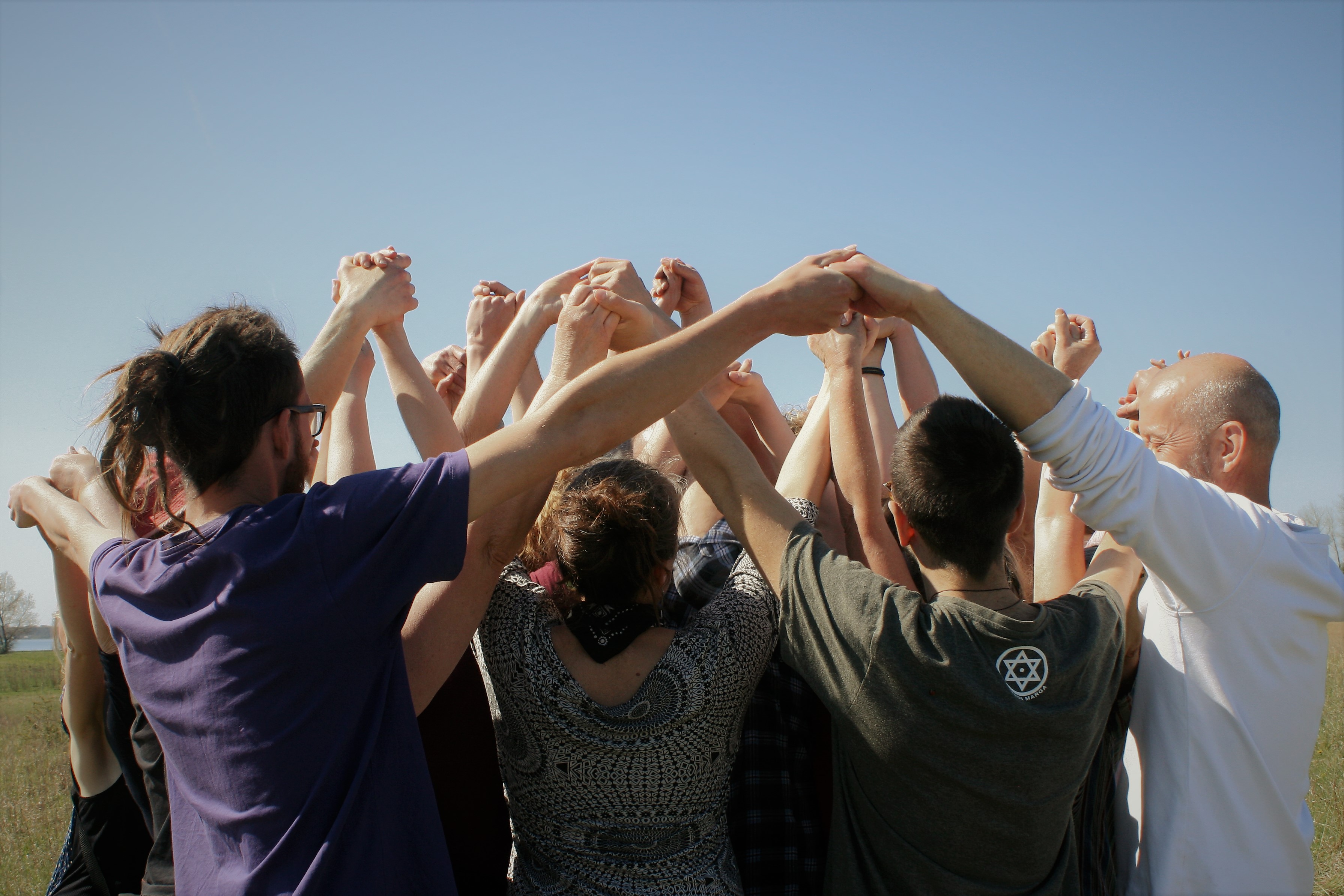
People Care

Fair Share
All Permaculture designs start with an in-depth survey, and understanding of the current situation and the goals and aims of the design. The survey will also take into account the people who will be involved in implementing and maintaining the new system – their specfic needs, resources, skills and limits. This first stage of observation gives designers a deeper understanding of what they are working with. Since permaculture aims to make good use of available resources and find creative ways to provide needs while improving the health of the ecosystem – we need to be smart. We need to use design strategies that rebuild rather than consume resources. We need to find the easy way to reach our goals with least disturbance, least consumption, least energy inputs.
We can look at design as being three steps.
1. Where am I now?
2. Where do I want to be?
3. What steps do I have to take, to get there?
- Careful observation and surveying helps us to take our first step in the process of design.
- Goal setting and clear aims give us our direction
- Our design. What are we going to do? How does this fit with the ethics of permaculture? What resources will we make use of? Which principles have helped us? How are we going to implement, maintain and evaluate the effectiveness of what we have designed?
There are a great number of design “frameworks” and tools, as well as the permaculture principles that will help us with our design. Find more about these here in the resources section or take a course with us! So you can learn how to start designing for yourself.
When you know how to design with permaculture, you’ll see that it can be used to design all areas of our society – and isn’t just about gardening and regenerative farming. Permaculture can also help us to organise, work together in groups, move towards sustainable habits and lifestyle. This other side of design is sometimes known as social permaculture – or the design of invisible structures. We aren’t working with a piece of land, but some other system that should provide for a need while regenerating resources.
The word Permaculture was invented by Bill Mollison and is a mixture of Permanent Culture and Permanent Agriculture. It is about designing all human systems to be regenerative. Permaculture systems aim to provide food, shelter, energy, as well as a diverse range of material and invisible yields for us humans, while at the same time creating habitat for wildlife and improving eco-system health. This means regenerating natural resources like clean water, clean air, living topsoil, deep forest, living capital and local communities and networks.
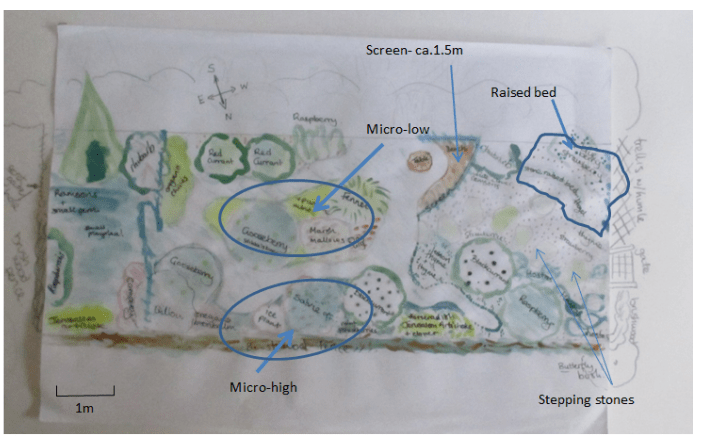
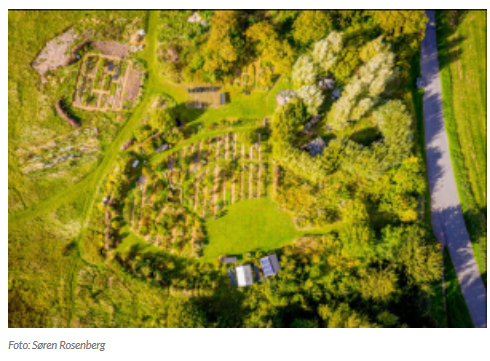
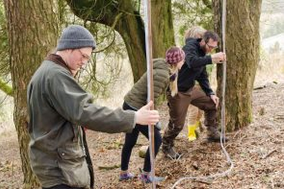
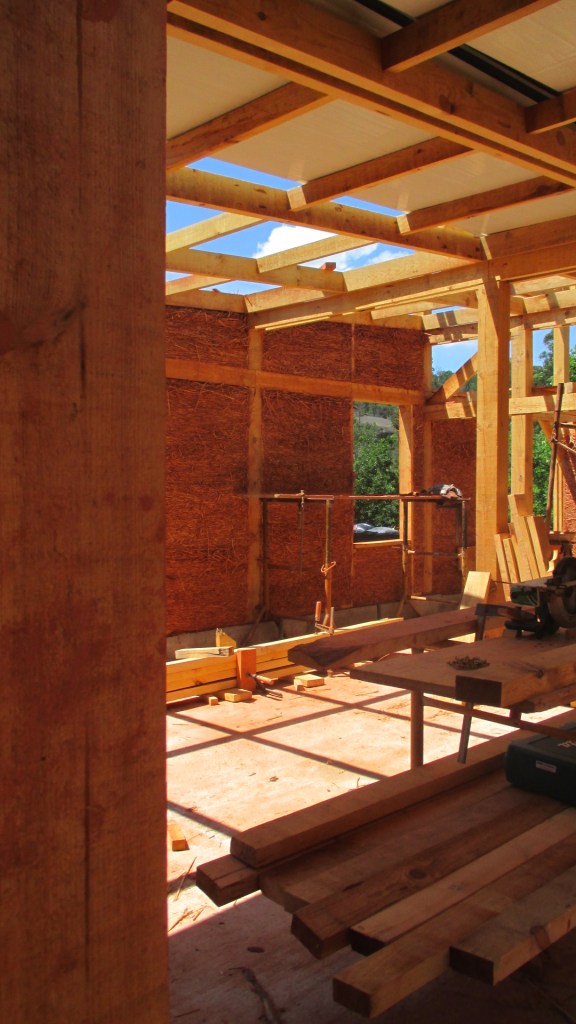
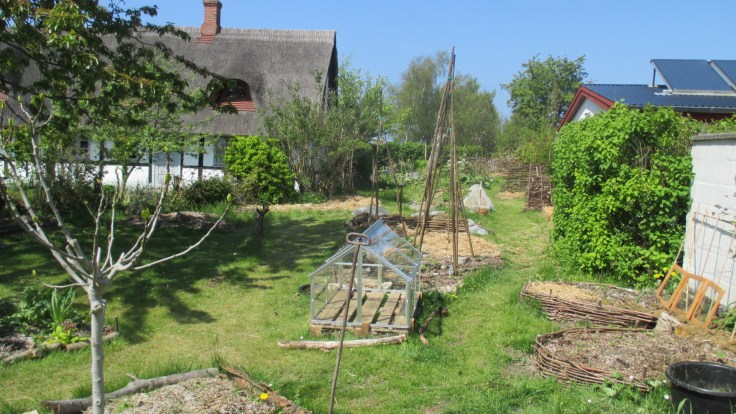
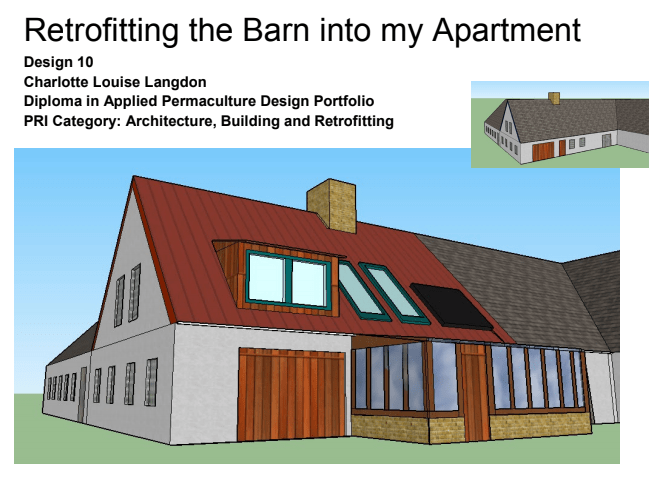
Permaculture is the study and application of holistic solutions for housing, farming, building, energy production, communities, education systems, livelihoods and much much more. Permaculture includes a toolbox that helps you to design and implement complex systems that produce food and energy while improving ecosystems. In this toolbox you can find disciplines and techniques around everything from agriculture, water harvesting, economics, community practices, energy conservation and production, resource management, design and analysis tools – the list is endless. Because it’s multidisciplinary, many permaculture designers are also multi-faceted, having a little knowledge from all of these areas, and specialising in one or two subjects. Permaculture teaches cooperation over competition, diversity over monoculture, design and thoughtful planning over thoughtless action.
With permaculture you can learn to design complex systems that work towards the 3 ethics of earth care, people care and fair share. These systems are in their nature energy efficient, as low maintenace as possible, endlessly diverse with an abundance of yield, and beautiful to look at. In permaculture terms the systems provide many functions. They are multifunctional and provide both visible and invisible yields.
There are many principles in permaculture – in fact there are over 50 principles. These principles represent a philosophy and a way of thinking – more than they are rules to follow diligently. The principles are patterns that can be used in all kinds of designs, whether you’re designing a farm, or your personal health and well-being. That is the beauty of principles – they teach us a new way of thinking about our lives! For example one of the principles of permaculture is to work with nature rather than against it. To apply diversity and local biological resources as well as being flexible and ready for inevitable change that comes with natural systems. Permaculture teaches us to mimic nature and it’s useful patterns so that we may harvest the intrinsic knowledge that natural systems have built up over millions of years.
 Permaculture Learning